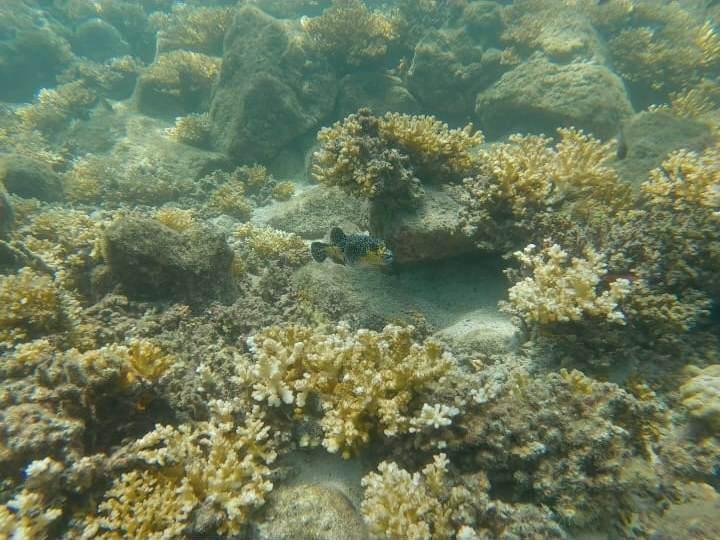
Coiba is one of the most pristine marine reserves on Earth — and the reason why is one of the most surprising stories in Panama. For most of the twentieth century, this island paradise was a place people were desperate to escape.
An island prison
In 1919, Panama established a penal colony on Coiba Island. For eight decades it held some of the country's most notorious prisoners, scattered across remote camps. Ringed by open ocean, strong currents and plenty of sharks, Coiba earned a fearsome reputation — and almost no outsider ever had a reason to go near it.
An accidental sanctuary
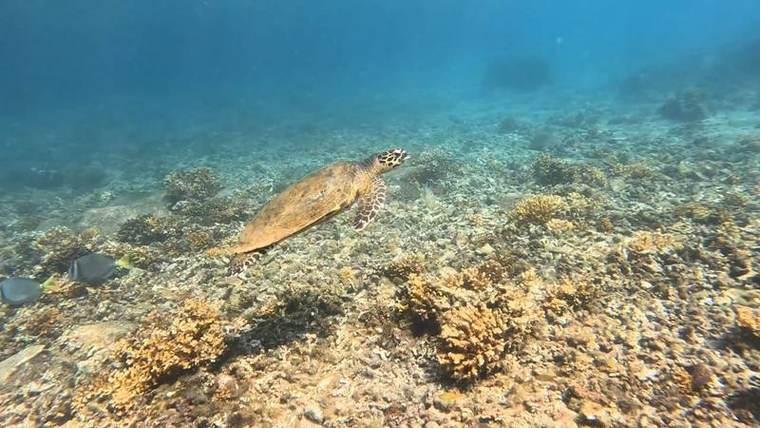
That fear turned out to be the best thing that ever happened to the reef. While the mainland coast was fished, developed and built over, Coiba was left almost entirely alone. Commercial fishing fleets avoided its waters. Developers never arrived. Decade after decade, the corals kept growing and the fish kept multiplying — undisturbed.
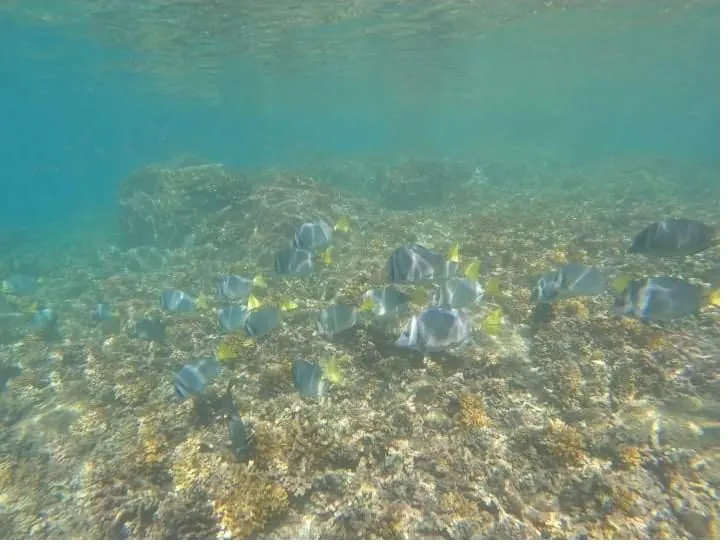
The result is a marine ecosystem that looks much the way the tropical Pacific did centuries ago — with more than 800 species of fish, 33 species of sharks, and coral reef that turtles, rays and whales still travel hundreds of miles to visit.
From prison to protected paradise
Panama declared Coiba a national park in 1991, while the prison was still running. The last prisoners left in the early 2000s, and in 2005 UNESCO named Coiba National Park a World Heritage Site — a key link in the chain of protected ocean stretching from Ecuador's Galápagos to Colombia's Malpelo and Costa Rica's Cocos Island.
A rare kind of time capsule
Because Coiba was never fished or developed, scientists treat it as a baseline — a glimpse of what a healthy Eastern Pacific reef is supposed to look like. Few places on the planet offer that, which is exactly why the park is so fiercely protected today.
Visiting Coiba today
On a full-day tour from Santa Catalina you can still see the old prison buildings near the ranger station — a quiet reminder of the island's past — before spending the day snorkeling its extraordinary reefs. It is one of the few places on Earth where you can stand on the ruins of a feared prison in the morning and float over a thriving coral reef in the afternoon.
See the reefs the prison protected
Snorkel Coiba's untouched reefs on a small-group, full-day tour from Santa Catalina.
See Our Tours Chat on WhatsApp