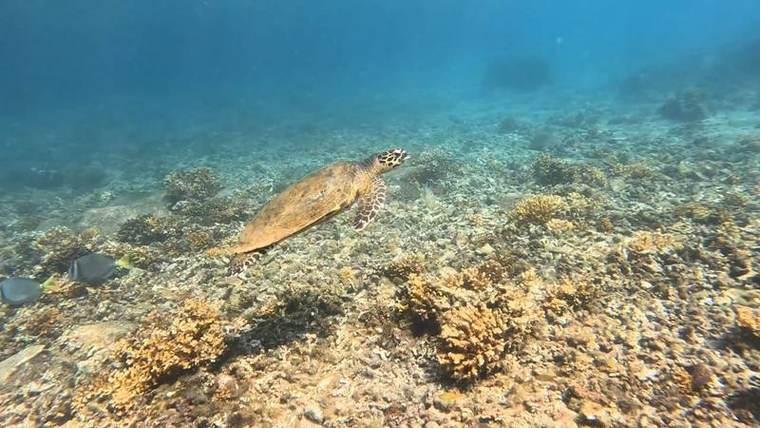
Slip your face into the water anywhere in Coiba National Park and the first thing you notice is the sheer volume of life. Schools of fish move like weather systems. A turtle drifts past, unbothered. A reef shark patrols the bottom. This is what the Pacific looked like before we changed it — and it's why Coiba, a UNESCO World Heritage Site off Panama's Veraguas coast, is often called the “Galápagos of Central America.”
Coiba is the largest island in Central America, and for nearly a century it was sealed off from the world as a penal colony. That history had one unexpected side effect: almost no development, no mass tourism, and no industrial fishing for decades. What remained is one of the healthiest, most intact reef systems in the entire Eastern Pacific.
Why Coiba is so alive
Coiba is a key stepping-stone in the Eastern Tropical Pacific Marine Corridor, the migratory highway linking Cocos Island in Costa Rica, Malpelo in Colombia, and the Galápagos in Ecuador. Big pelagic animals ride these currents, which is why a single snorkeling trip can deliver encounters most ocean destinations would envy.
Around the small sandy islet of Granito de Oro — widely rated one of the best snorkel spots in Central America — the reef is so dense with fish that beginners regularly surface grinning like kids.
The headline species — what you can actually see
You don't need a scuba certification to meet most of Coiba's stars. Here are real photos from our own tours — this is what is waiting for you under the surface.
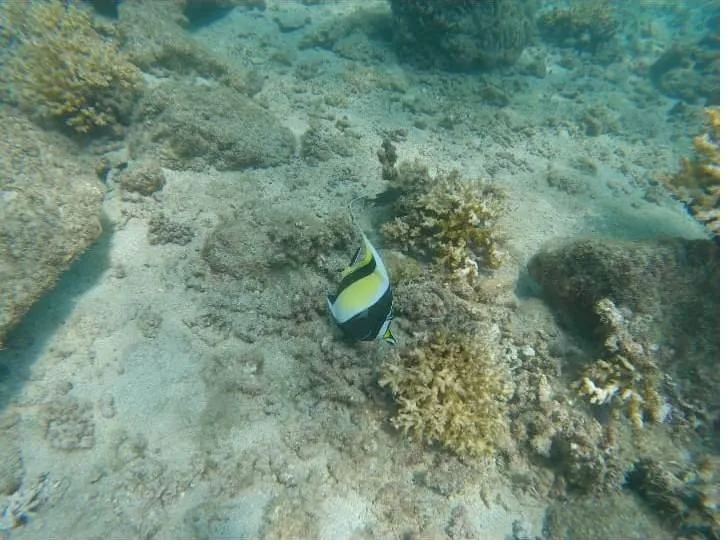 Moorish idol
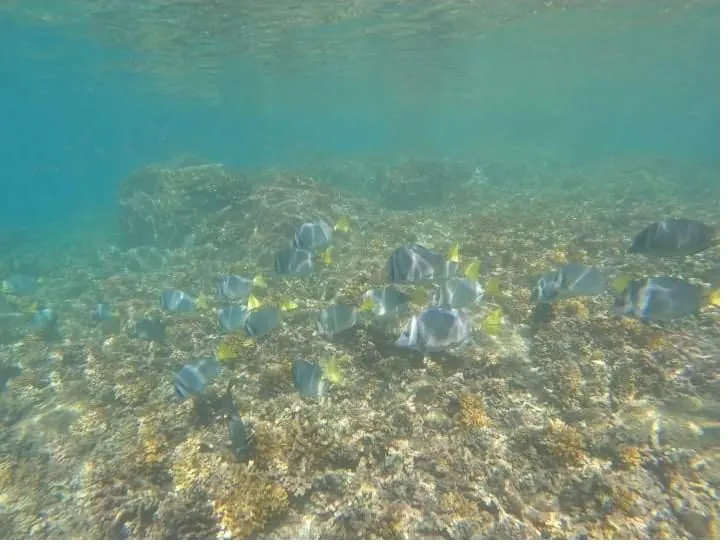 Schooling surgeonfish
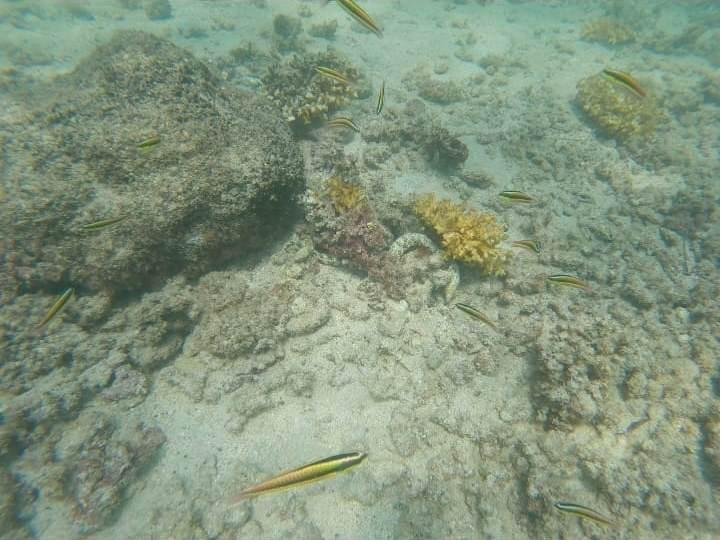 Wrasses
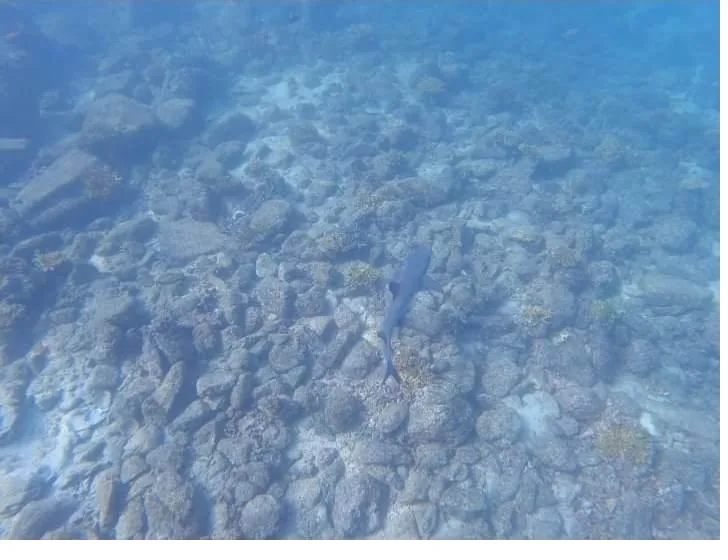 Whitetip reef shark
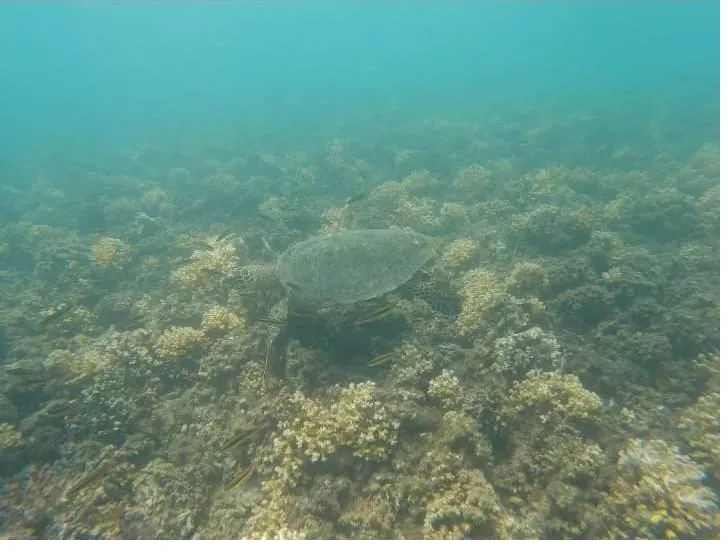 Green sea turtle
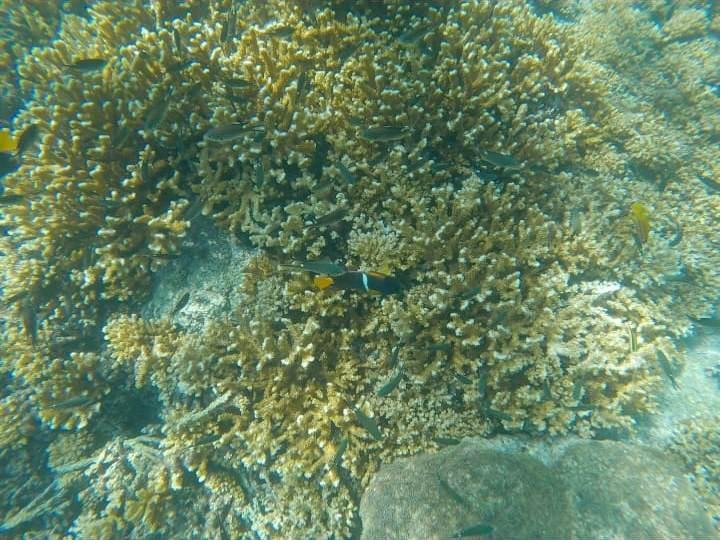
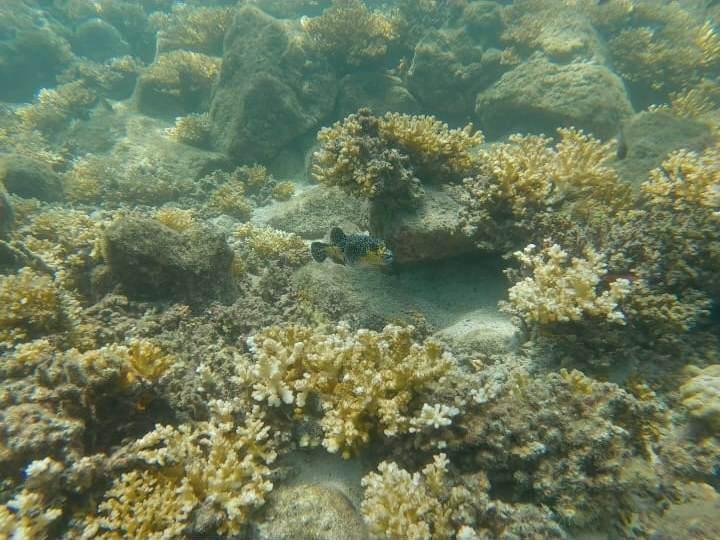 Coral gardens
Beyond what you see above, lucky days also bring hammerhead sharks (best May–June), whale sharks (most likely Feb–March), manta and eagle rays, dolphins riding the bow, and migrating humpback whales from roughly June to October.
The best time to see each species
Coiba rewards visitors all year, but a few of the marquee animals are seasonal.
Whale sharks
Peak odds for the world's biggest fish passing through.
Hammerheads
Schooling hammerheads gather along the pelagic edges.
Humpback whales
Mothers and calves arrive to breed — breaching is common.
Turtles, reef sharks & fish
The everyday magic that never leaves the reef.
Water conditions: the dry season (December to April) usually brings calmer seas and the clearest visibility, while the green season can stir up plankton — which is exactly what draws the biggest filter-feeders. There is no truly “bad” time to snorkel Coiba.
Snorkel it the right way
- Look, don't touch — never chase, grab or stand on coral or animals.
- Wear reef-safe sunscreen (or a rash guard) to keep chemicals off the reef.
- Choose small-group tours with licensed local guides who brief you on park rules.
- Take only photos; bring your trash back to the mainland.
- Keep a respectful distance from whales and whale sharks.
Ready to meet Coiba's marine life?
Join a small-group snorkeling tour from Santa Catalina, guided by our certified bilingual team.
See Our Tours Chat on WhatsApp