Wondering when to plan your trip to Coiba National Park? The honest answer: there's no bad time — but each season offers something different. Here's how to choose the perfect month for your visit, whether you're dreaming of humpback whales, glassy snorkeling conditions or quiet beaches.
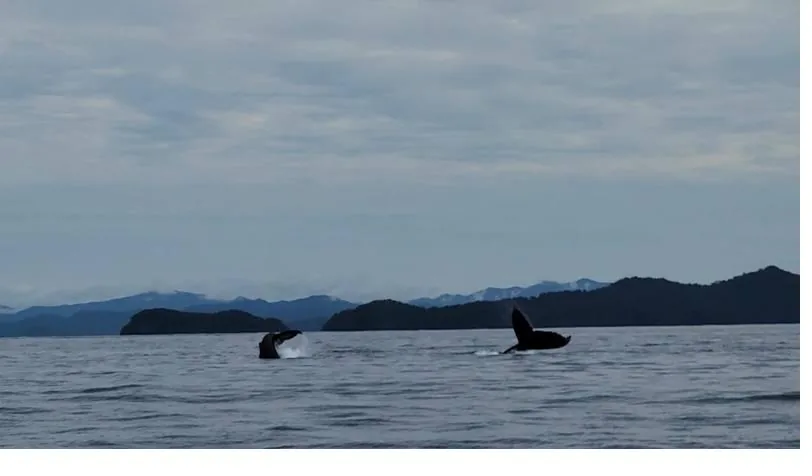
Whale season: June to October
This is Coiba's superstar season. Every year, humpback whales migrate thousands of kilometers to breed and raise their calves in Panama's warm Pacific waters. From June through October, sightings around Coiba and the Gulf of Chiriquí are frequent — mothers with calves, males breaching, tail slaps just meters from the boat. If seeing whales is your dream, book a whale watching tour in these months.
Dry season: mid-December to April
Panama's dry season brings sunny skies, calmer seas and the most reliable boat conditions. It's the most popular time to visit — ideal for snorkeling, beach days on Ranchería Island and photography. Book your tour and accommodation early, especially around Christmas, New Year and Easter.
Green season: May to November
Don't let the word "rainy" scare you: most days start sunny, with showers usually arriving in the afternoon — often after your tour is already back. The upsides are big: lush green landscapes, fewer crowds, better prices and, from June onward, the whales. Visibility underwater remains good on most days.
Month-by-month quick guide
- December–April: driest weather, calmest seas, high season.
- May: quiet transition month, great value.
- June–October: humpback whale season — the most magical time on the water.
- November: green and tranquil, fewer visitors.
Our recommendation
If you can only pick one window, aim for July to September: you get whales, warm water and the full green beauty of the island — a combination few places on Earth can match. Whenever you come, Coiba's turtles, reef sharks and coral gardens are there all year round.