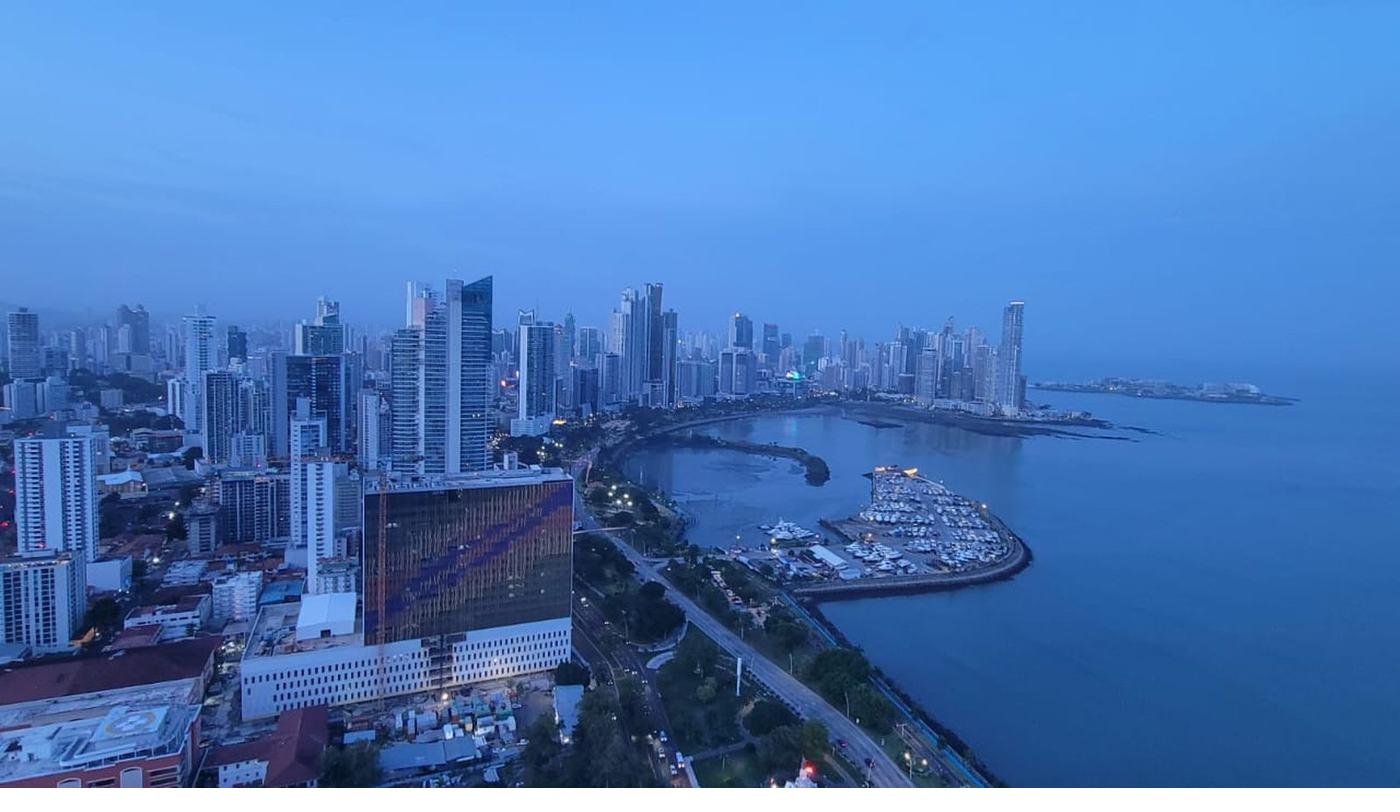
Panama is one of the most rewarding — and underrated — destinations in the Americas. In a country smaller than many U.S. states you can stand between two oceans, walk a 17th-century colonial old town, watch ships cross a continent, hike a cloud forest at dawn and snorkel over living coral, all within a few days. This guide rounds up the best things to do in Panama for a first visit, and where the country's wild Pacific — including Coiba National Park — fits in.
Why Panama is an easy country to travel
Part of Panama's appeal is how simple it is to visit. The country uses the U.S. dollar as everyday currency, its capital is home to one of Latin America's busiest airports (the “Hub of the Americas”), and English is widely understood in tourist areas. It's warm year-round, distances are short, and you're never far from either coast.
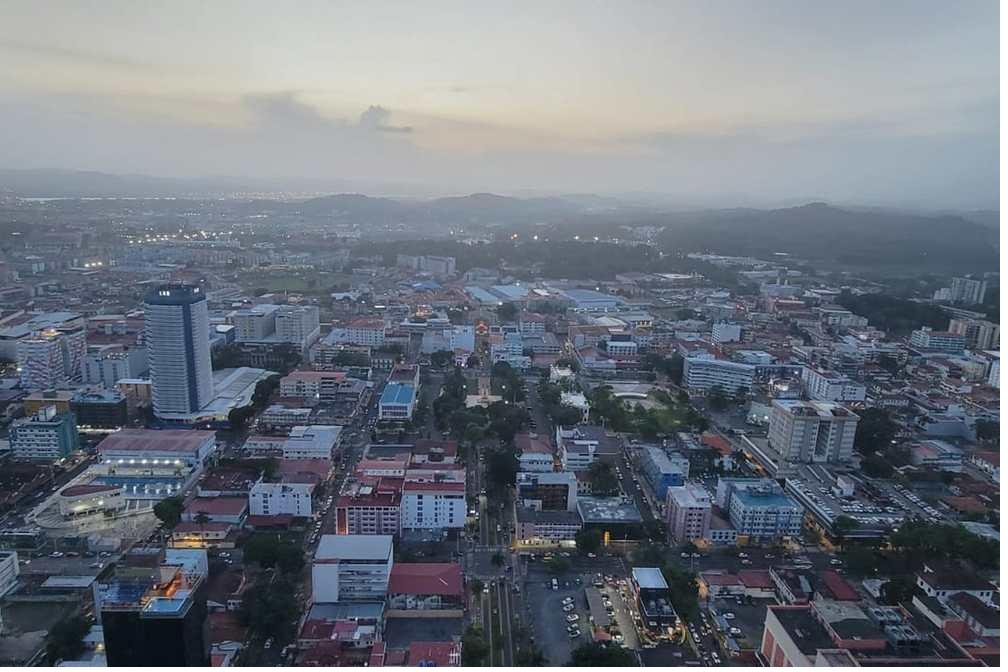
1. Explore Panama City & Casco Viejo
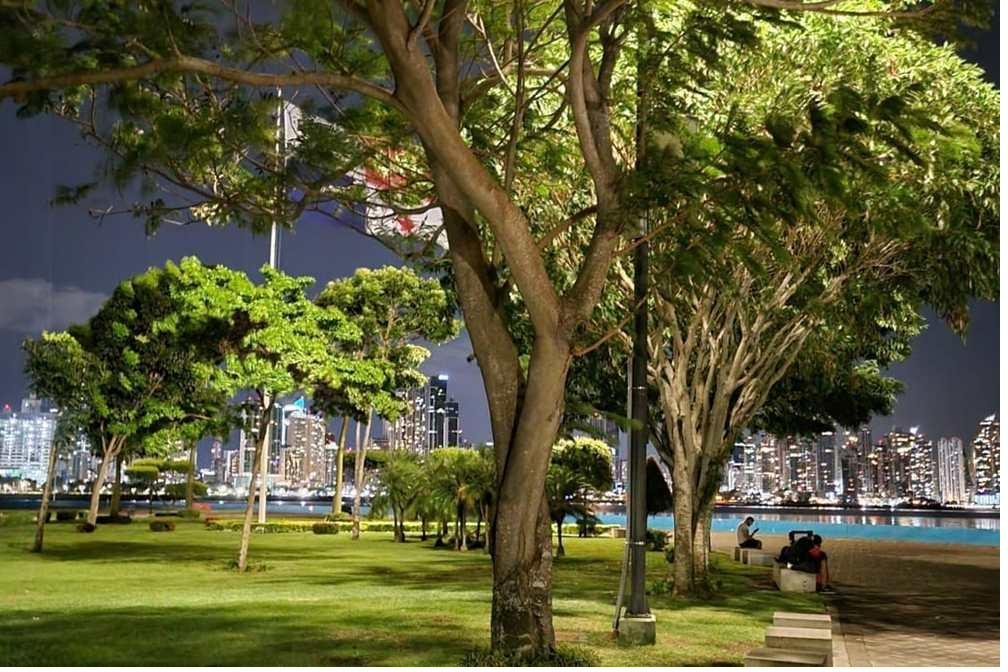
Panama City is the only capital in the Americas with tropical rainforest inside its limits, and its skyline of glass towers rises right beside the sea. The historic heart, Casco Viejo (Casco Antiguo), is a UNESCO World Heritage Site of cobblestone plazas, rooftop bars, churches and boutique hotels — perfect for an evening stroll, dinner and people-watching along the waterfront Cinta Costera.
2. See the Panama Canal in action
No trip is complete without watching giant cargo ships rise and fall through the locks of the Panama Canal, one of the world's great feats of engineering. The Miraflores Visitor Center near the city makes it easy: you can watch vessels transit from a viewing terrace and learn how the canal reshaped global trade.
3. Escape to the islands and beaches
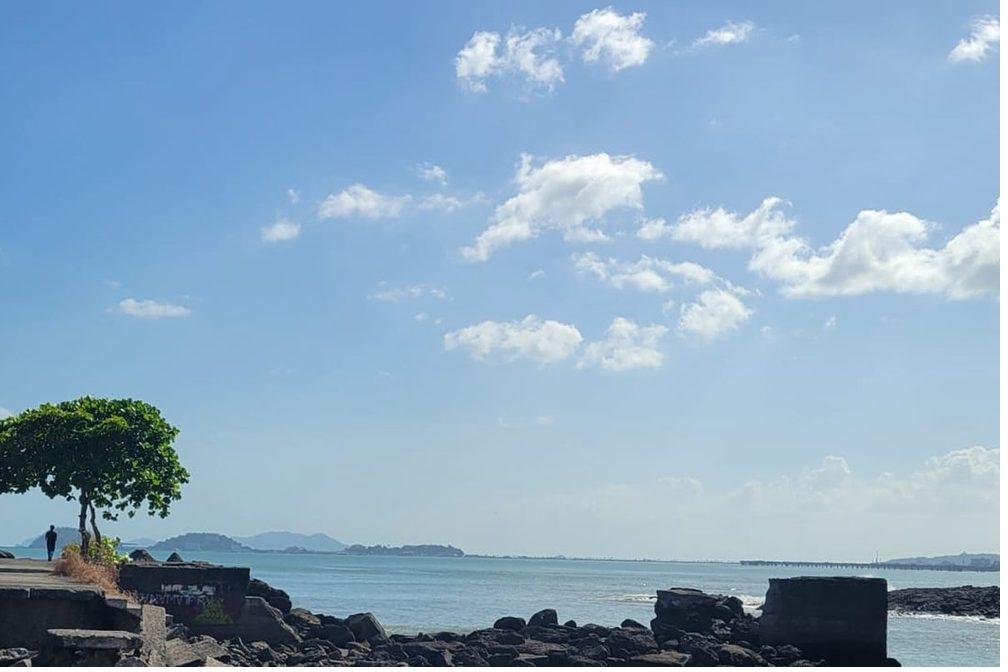
Panama has two very different coastlines. On the Caribbean side, Bocas del Toro and the postcard-perfect islands of Guna Yala (San Blas) offer turquoise water and laid-back island life. On the Pacific side you'll find the Pearl Islands and the surf-and-snorkel town of Santa Catalina — the gateway to Coiba.
4. Head for the highlands and coffee country
For cooler air and dramatic scenery, the western highlands around Boquete in Chiriquí province are famous for world-class coffee farms, cloud forests, waterfalls and the chance to spot the resplendent quetzal. Early risers can hike Volcán Barú, Panama's highest peak, where on a clear day you can see both the Pacific and the Caribbean.
5. Go wild in the Pacific: Coiba National Park
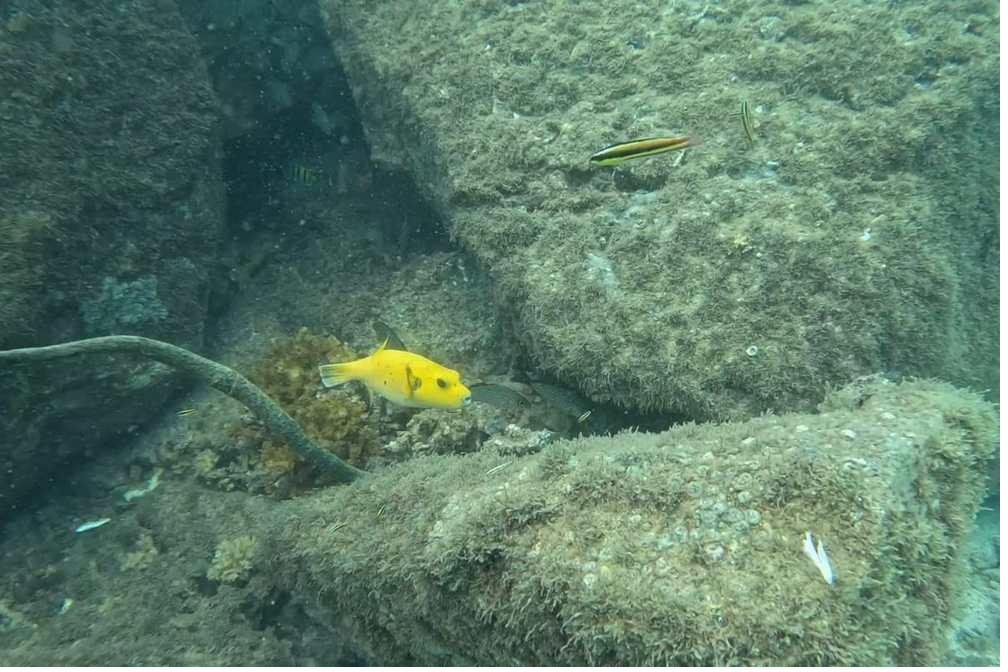
If you love nature, save room for Panama's greatest natural treasure. Coiba National Park is a UNESCO World Heritage Site and the largest marine park in the country — so untouched it's often called the “Galápagos of Central America.” Reached by boat from Santa Catalina, it protects some of the healthiest coral reefs in the Eastern Pacific, with sea turtles, reef sharks, rays and clouds of tropical fish.
When to visit Panama
Panama is a year-round destination. The dry season (December–April) brings the most sunshine and the calmest seas — ideal for beaches and snorkeling. The green season (May–November) is lush and quieter, with short afternoon downpours. On the Pacific, humpback whales visit Coiba from roughly June to October.
How many days do you need?
You can sample Panama in 3–4 days (city, canal and one beach or island), but a week lets you combine the capital with the highlands and a day on the water. However you plan it, build in at least one day for Coiba — it's the kind of place you travel a long way to see.
Frequently asked questions
Is Panama worth visiting?
Yes. Panama offers two coastlines, a famous canal, rainforest and cloud forest, colonial history and world-class marine parks — all in a compact, easy-to-reach country that uses the U.S. dollar. It is one of the best-value tropical trips in the Americas.
What is the best time of year to visit Panama?
The dry season (December–April) has the most sun and the calmest seas, which is ideal for islands and snorkeling. The green season (May–November) is lush and quieter; on the Pacific, humpback whales visit from about June to October.
Does Panama use the U.S. dollar?
Yes. The U.S. dollar circulates as everyday currency (the local balboa is pegged 1:1), so most travelers do not need to exchange money.
What is the best thing to do in Panama for nature lovers?
A day trip to Coiba National Park from Santa Catalina. This UNESCO-listed marine park is the wildest place to snorkel in Panama, with turtles, reef sharks, rays and healthy coral reefs.
How many days do you need in Panama?
Three to four days covers the city, the canal and a beach or island. A week lets you add the highlands around Boquete and a full day on the water at Coiba.
Make Coiba the highlight of your Panama trip
Join a small-group, full-day snorkeling tour to Coiba National Park from Santa Catalina with a certified bilingual team.
See Our Tours Chat on WhatsApp