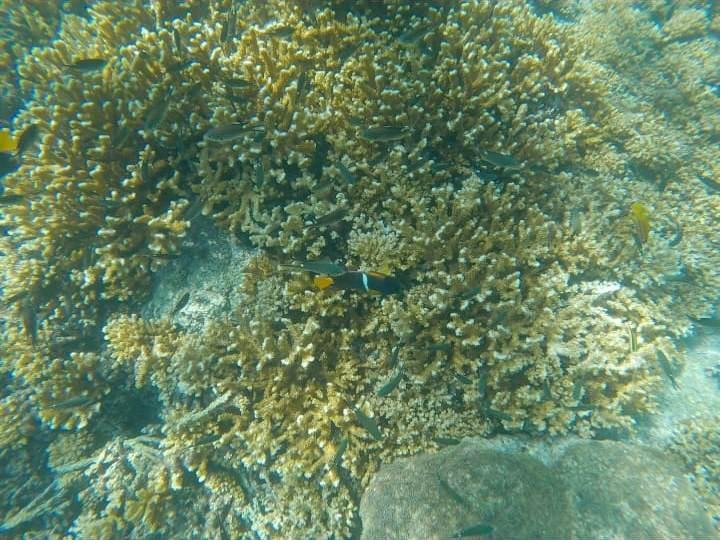
In 2005, the United Nations placed Coiba National Park on a very short list: alongside the Great Barrier Reef and the Galápagos, it became a UNESCO World Heritage Site. That puts Coiba among the most important natural places on the planet. But what makes a snorkeling spot in Panama so globally significant?
Extraordinary biodiversity
The honor comes down to life — an astonishing amount of it. Coiba's waters shelter more than 800 species of fish, 33 species of sharks, sea turtles, rays, dolphins and seasonal whales. Above the surface, its rainforest is one of the last refuges for endangered species like the scarlet macaw, alongside howler monkeys, crocodiles and birds found almost nowhere else in Panama.
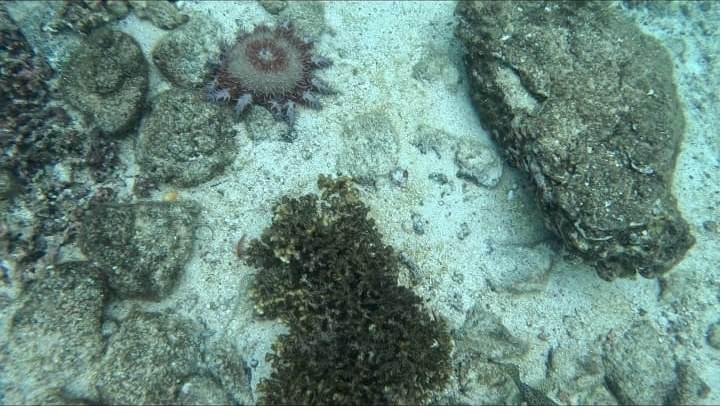
A reef the modern world never touched
For most of the twentieth century Coiba was a feared penal colony, sealed off from fishing and development. That isolation accidentally preserved one of the largest and healthiest coral reefs in the Eastern Tropical Pacific — a glimpse of what the ocean looked like before humans changed it. Scientists treat Coiba as a living baseline, which is part of why UNESCO considers it so valuable.
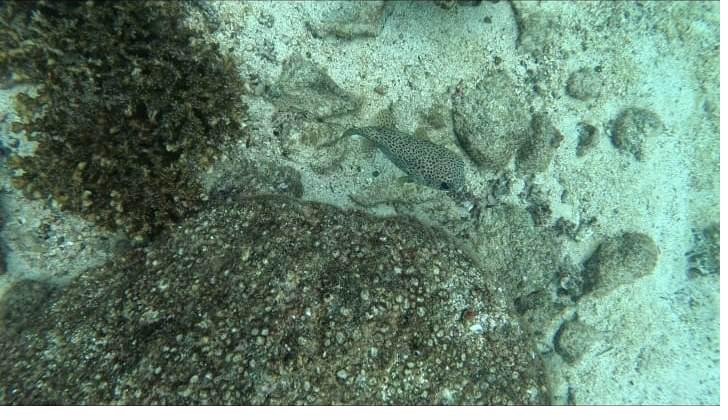
A natural laboratory
Coiba's long isolation didn't just protect species — it helped create new ones. UNESCO highlighted the park as an outstanding natural laboratory for studying evolution, where new species are still being identified. As a stepping-stone in the Eastern Tropical Pacific corridor, it also plays a crucial role in the survival of migratory ocean life across the whole region.
What it means for your visit
When you snorkel Coiba, you're floating over a globally protected treasure. That's a privilege — and a responsibility. Tours follow park rules to keep it pristine: don't touch or chase wildlife, use reef-safe sunscreen, and take only photos. Visiting responsibly is exactly what keeps Coiba worthy of its World Heritage status.
Frequently asked questions
Why is Coiba a UNESCO World Heritage Site?
For its extraordinary biodiversity and exceptionally preserved ecosystems — decades of isolation protected its forest and one of the largest, healthiest reefs in the Eastern Pacific.
When did Coiba get the status?
Coiba National Park was inscribed on the UNESCO World Heritage List in 2005.
What animals live there?
Over 800 fish species, 33 shark species, turtles, rays, dolphins and whales, plus a rainforest with scarlet macaws, monkeys and crocodiles.
Can tourists visit?
Yes — on guided tours from Santa Catalina, most popularly full-day snorkeling trips, with a licensed operator and park fee.
Ready to see Coiba for yourself?
Join a small-group snorkeling tour from Santa Catalina with our certified bilingual team — from US$70 per person plus park entry.
See Our ToursChat on WhatsApp