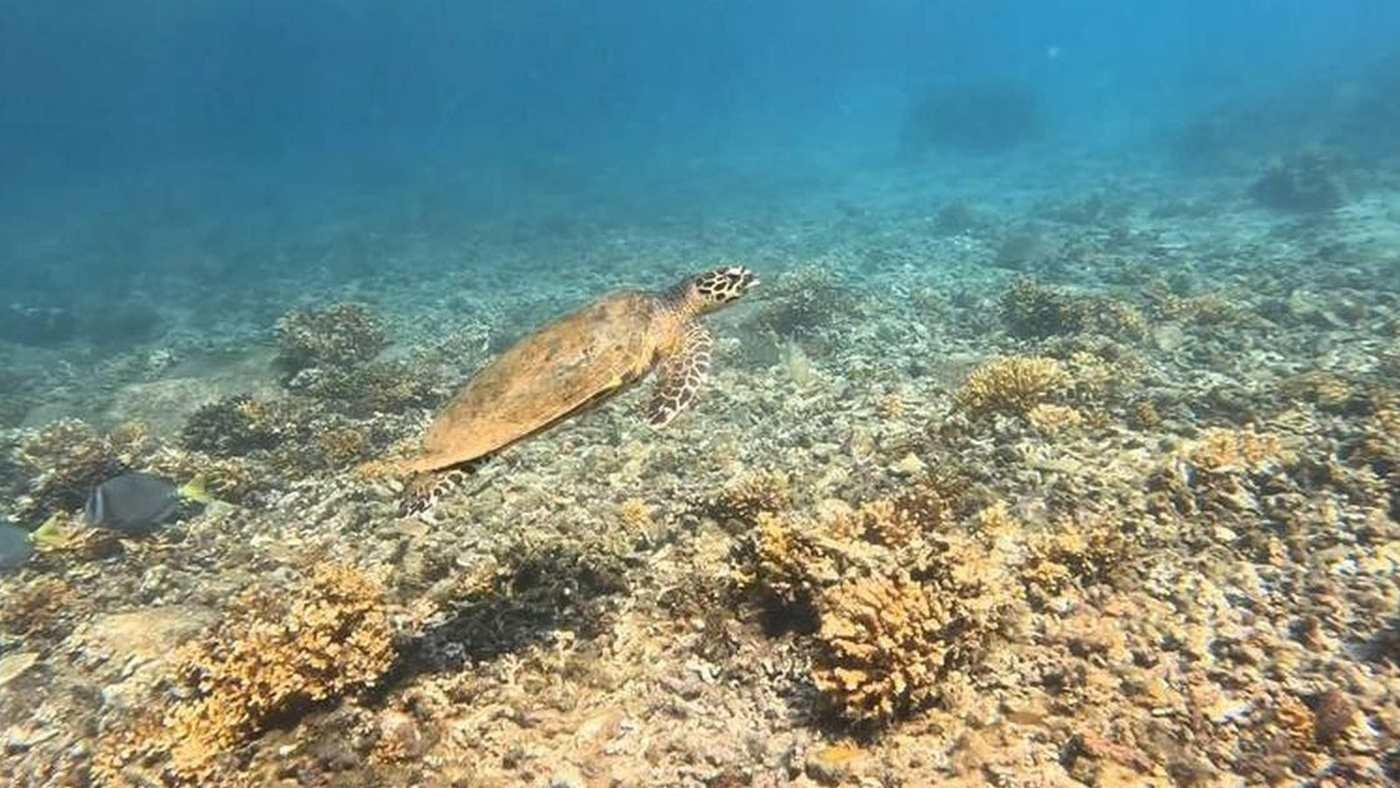
You could go anywhere. So why choose Panama — and why do so many travelers say a single island, Coiba, ended up being the highlight of their entire trip? Here's the honest case for putting Panama at the top of your list, and for making its wild Pacific the centerpiece.
1. It's one of the easiest tropical trips you can take
Panama removes most of the friction of international travel. It uses the U.S. dollar, its capital hosts the “Hub of the Americas” airport with direct flights across the continent, English is widely understood in tourist areas, and it's warm and visitable all year. You spend less time planning logistics and more time actually exploring.
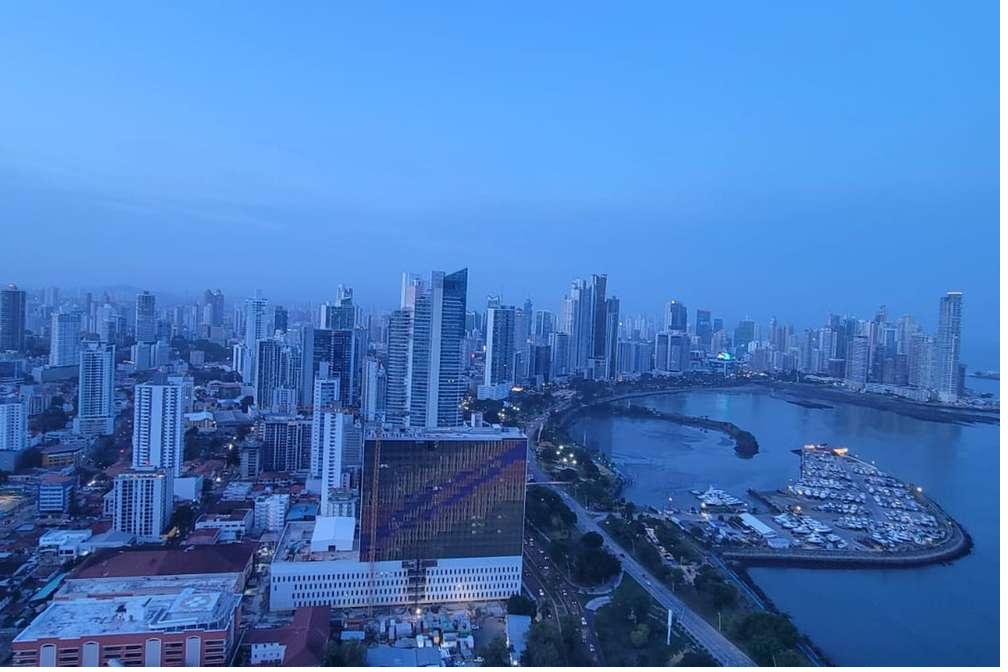
2. Two oceans and astonishing biodiversity
Panama is the bridge between North and South America, and that geography makes it one of the most biodiverse places on the planet for its size. Caribbean on one side, Pacific on the other, with rainforest, cloud forest, mangroves and coral reef in between — a remarkable amount of nature packed into a short trip.
3. World-class nature, without the crowds or the price
Here's what surprises people most: you can experience genuinely world-class wildlife in Panama without world-class prices or crowds. Quiet beaches, uncrowded reefs and small-group tours are the norm. The Pacific surf town of Santa Catalina, gateway to Coiba, is the perfect example — low-key, friendly and a short boat ride from one of the great reefs of the Eastern Pacific.
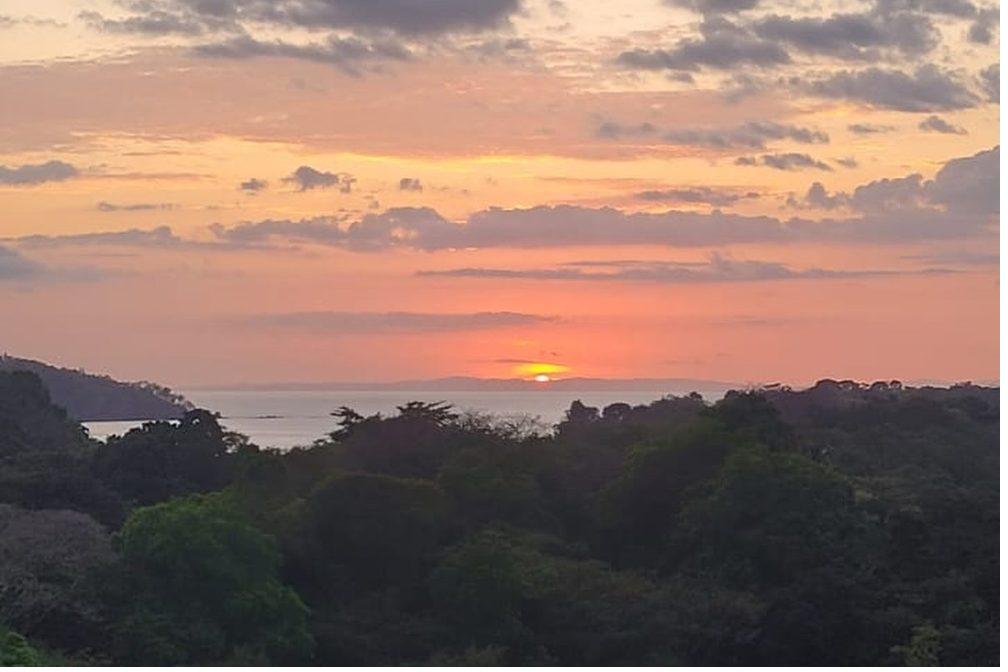
4. The highlight: Coiba National Park
Coiba National Park is the reason many people come to Panama in the first place — and the reason they leave already planning to return. A UNESCO World Heritage Site, it's the largest marine park in the country and so pristine it's known as the “Galápagos of Central America.” Once a remote prison island, it was kept off-limits for nearly a century, and that isolation accidentally preserved one of the healthiest reef systems in the Eastern Pacific.
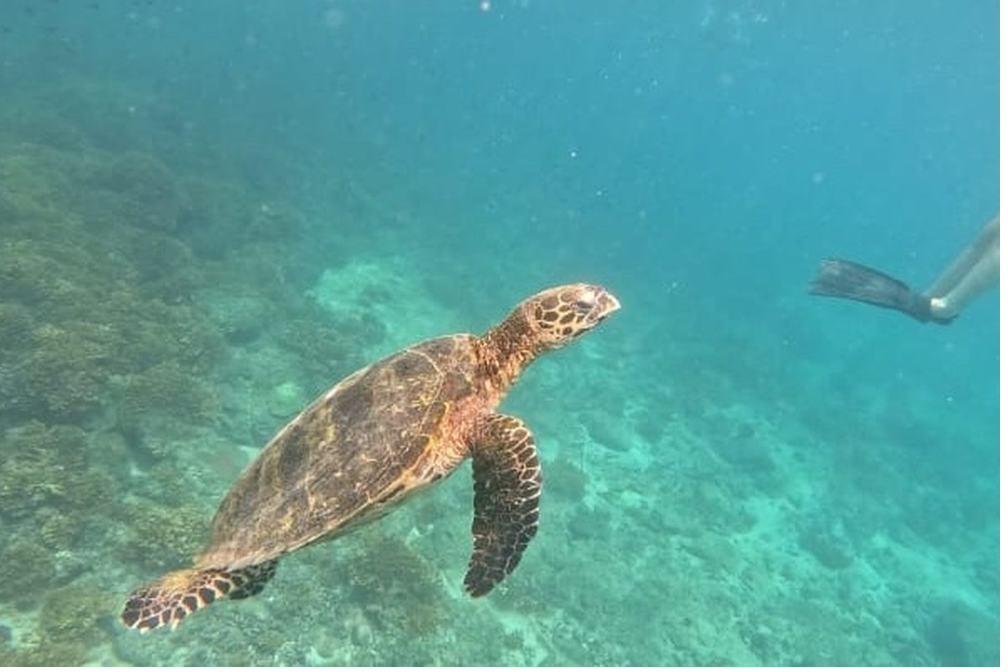
5. What you'll actually see snorkeling
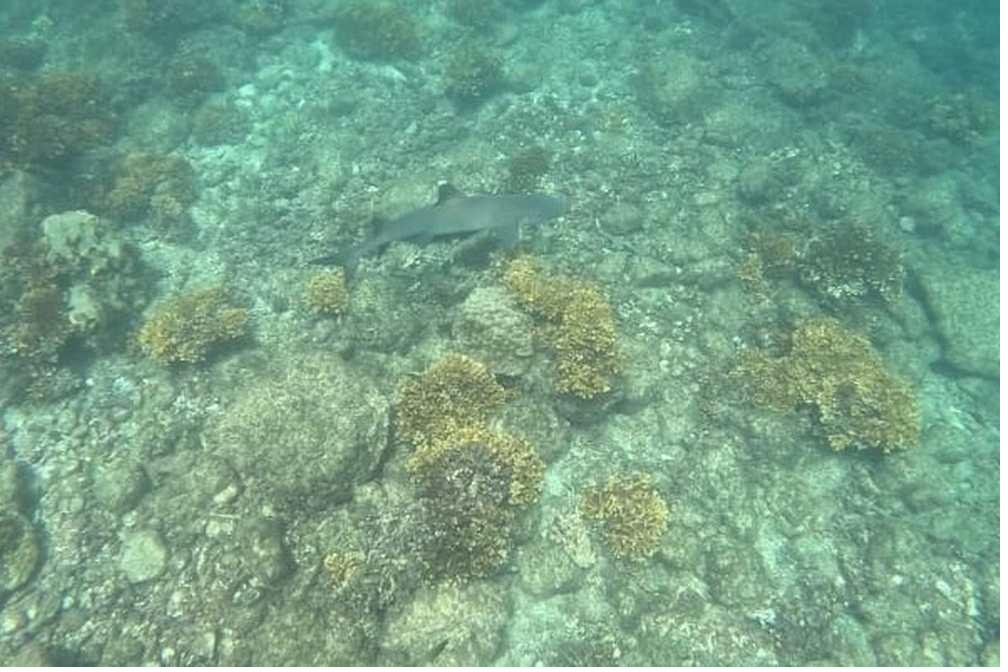
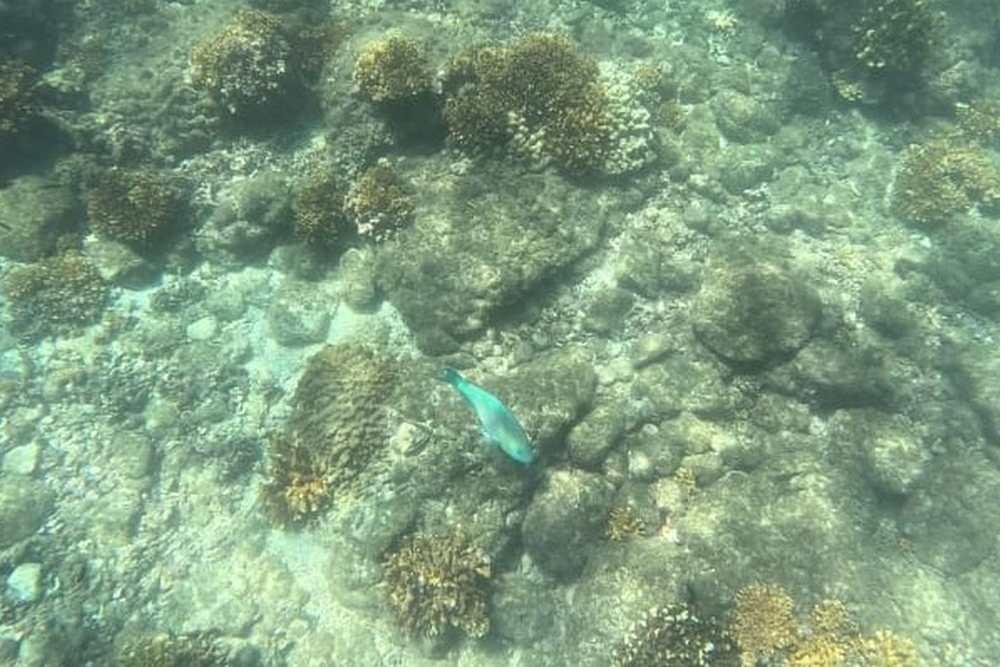
You don't need to scuba dive to experience Coiba — most of the magic happens at the surface. On a typical day you can expect sea turtles, whitetip reef sharks, rays and huge schools of tropical fish over colorful coral. Depending on the season, you might also encounter humpback whales (about June–October) and even whale sharks.
6. How a day in Coiba works
Tours leave by boat from Santa Catalina, usually early in the morning. A full day typically costs around US$65 per person plus the park entrance fee, and includes the boat, a licensed guide, snorkel gear, several snorkel stops, time on a deserted beach and lunch. For the full breakdown, see our complete guide to visiting Coiba.
So, is Panama worth it?
If you want a tropical trip that's easy to reach, easy on the wallet and genuinely wild, the answer is yes — and Coiba is the experience that ties it all together. Curious how it stacks up against the famous Galápagos? We compare them in Coiba vs the Galápagos.
Frequently asked questions
Is Panama worth visiting?
Yes — especially for nature lovers. Panama is easy to reach, uses the U.S. dollar, and offers two coastlines, rich biodiversity and world-class marine parks at a fraction of the cost and crowds of better-known destinations.
Why is Coiba National Park so special?
Coiba is a UNESCO World Heritage Site and the largest marine park in Panama. Protected for decades as a former prison island, it preserves some of the healthiest coral reefs in the Eastern Pacific — earning it the nickname “Galápagos of Central America.”
Where is the best place to snorkel in Panama?
Coiba National Park, reached by boat from Santa Catalina, is widely considered the best place to snorkel in Panama, with turtles, reef sharks, rays and abundant coral.
Do you need to know how to scuba dive?
No. Most visitors snorkel from the surface, and life jackets are available, so basic comfort in the water is enough to enjoy Coiba.
When is the best time to visit Coiba?
Coiba is great year-round. The dry season (December–April) has the calmest, clearest water; humpback whales visit from about June to October, and whale sharks are most likely February–March.
Ready to experience Coiba for yourself?
Book a small-group, full-day snorkeling tour to Coiba National Park from Santa Catalina with our certified bilingual team.
See Our Tours Chat on WhatsApp