There are places you visit to see famous animals. And there are a few, very rare places where some of the animals don't exist anywhere else on the planet. Coiba is one of them.
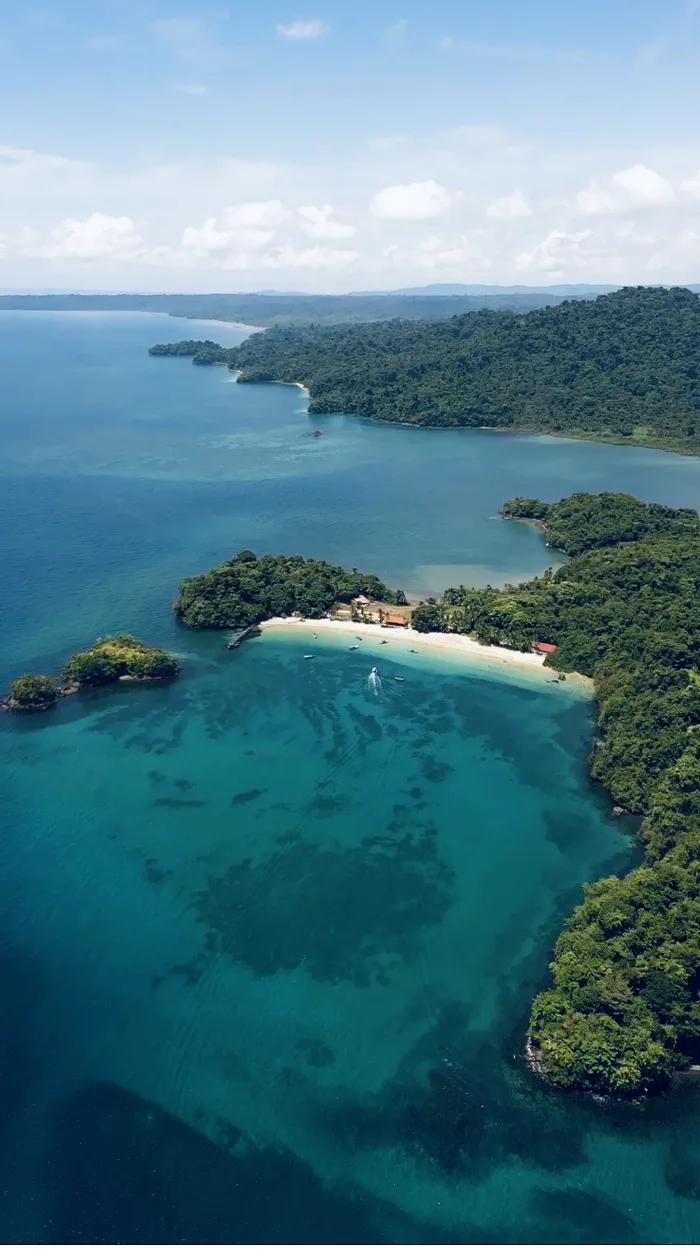
An island where evolution is still happening
Coiba was cut off from the mainland relatively recently in evolutionary terms. That should mean it hasn't had time to become unique. It has anyway. In its official inscription, UNESCO states that despite this short isolation, new species are being formed on the islands of the Gulf of Chiriquí — visible in the levels of endemism among mammals, birds and plants — which makes the park “an outstanding natural laboratory for scientific research”.
Meet the locals
- The Coiba agouti (Dasyprocta coibae) — a forest rodent recorded as the park's endemic mammal species. It lives only on Coiba Island and is listed as Near Threatened on the IUCN Red List.
- The Coiba howler monkey (Alouatta palliata coibensis) — the island's own howler. Scientists still debate whether it is a subspecies or a full species (Alouatta coibensis); either way, this population is found only in Coiba.
- The Coiba spinetail (Cranioleuca dissita) — a small, easily overlooked bird that is endemic to Coiba.
- Island versions of familiar animals — Coiba has its own subspecies of white-tailed deer (Odocoileus virginianus rothschildi) and of the common opossum (Didelphis marsupialis battyi).
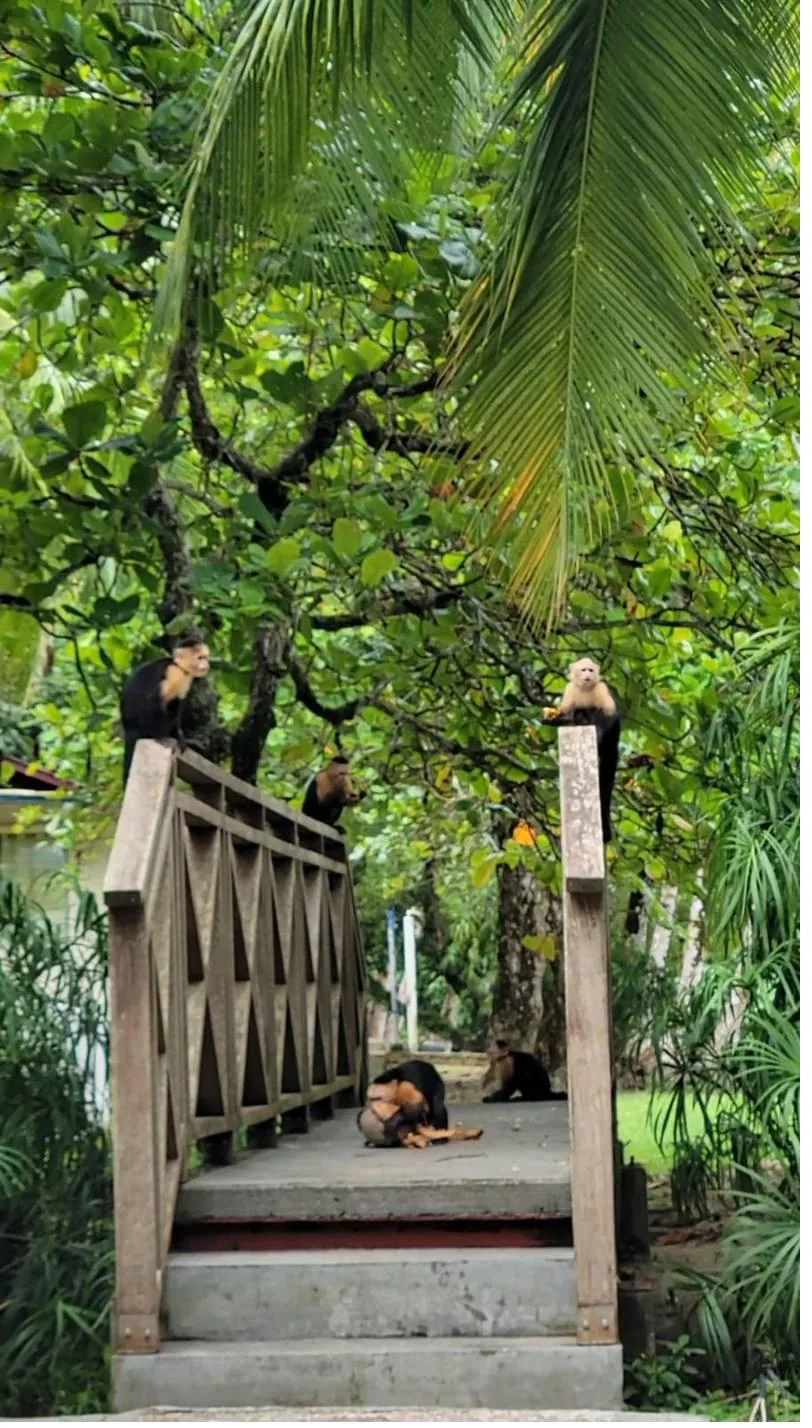
Coiba is also home to white-faced capuchins like these, photographed in the park — not endemic, but just as entertaining.
The last refuge
Endemics are only half the story. UNESCO's inscription also names Coiba as the last refuge for species that have largely disappeared from the rest of Panama — the crested eagle and the scarlet macaw. The macaws are the ones visitors actually see: read The Birds of Coiba.
Why the forest survived
The strange reason is history. For most of the 20th century Coiba was a penal colony, and access was tightly restricted. That kept loggers and settlers away. Today more than 80% of the island is covered by forest, according to park records. The full story: The Island That Was Forbidden.
Legal protection followed: the park was created in December 1991 (Gaceta Oficial 21,958, published January 1992) and strengthened by Law 44 of 26 July 2004 (Gaceta Oficial 25,104). UNESCO inscription came in 2005. The numbers behind it: Coiba by the Official Numbers.
Can you see them?
Honestly: sometimes. The Coiba Island Tour includes a stop on the main island at the ranger station area, where guests walk in the forest edge. Land sightings are never guaranteed, and the rules are simple: keep your distance, keep your voice down, and never feed wildlife. What is guaranteed is that you'll be standing on one of the few islands on Earth still writing its own evolutionary story.
$65/person + park fee, gear and lunch included. Book directly with our team in Santa Catalina.
UNESCO World Heritage Centre, Coiba National Park and its Special Zone of Marine Protection, criteria (ix) and (x) — whc.unesco.org/en/list/1138
Red de Áreas Marinas Protegidas del Pacífico, park profile citing Gaceta Oficial 21,958 (23 January 1992) and Gaceta Oficial 25,104 (29 July 2004) — redpacifico.net
IUCN Red List of Threatened Species, Dasyprocta coibae, 2019 assessment.